



Coffee is among the most popular beverages, next only to water. This popularity has remained consistent for centuries until today.
Coffee started as a legend in Ethiopia, and is now grown across the world. Coffee beans are harvested all year round, but major harvest seasons vary across different locations. Many coffee-producing countries harvest between September and March, while other countries, like Brazil, harvest between May and September.
As many regions can produce enough coffee to last the entire year, coffee storage becomes a vital process for a consistent supply. However, maintaining quality may be challenging during this post-harvest stage.
A failed storage can quickly translate into significant losses. Before diving into the specifics, let us look first at what makes good coffee quality.
What makes a good coffee bean quality?
Coffee bean quality is determined by physical appearance, aroma, flavor, and freshness. Visible discoloration, defects, and rancid flavors are indicators of poor quality.
For specialty coffee, expert graders use cupping to score coffee based on strict global standards. A batch of coffee beans must reach a minimum score of 80 to be considered specialty by the Specialty Coffee Association standards.
In general, raw coffee beans should be uniform in size and color, pale beige with green hints. Additionally, a good cup of coffee offers pleasant bitterness, often accompanied by complex flavor notes such as floral, fruity, or nutty tones.
Learn more: How to Know Good Coffee Bean Quality
Good coffee quality is not an accident. It requires careful handling and proper measures, especially during post-harvest coffee storage.
Why is coffee storage important?
Storage plays a critical role in preserving coffee quality. During post-harvest, coffee beans are highly vulnerable to mold growth, infestations, and environmental fluctuations.
Proper storage practices ensure that coffee beans remain safe. Storing in a cool and dry area reduces the risk of oxidation and moisture ingress. Keeping the storage area clean also prevents contamination and pest attraction. Furthermore, adopting hermetic solutions will significantly enhance protection against common post-harvest threats.
Learn more: Best Practices in Coffee Bean Storage
Poor storage leaves coffee beans exposed to risks, leading to damage and deterioration. Thus, significant losses happen when storage fails.
What does coffee lose when storage fails?
When storage fails, coffee loses quality in four key areas: flavor and aroma, general quality, safety, and market value.
1. Flavor and Aroma
Coffee beans can easily absorb moisture, oxygen, and odors. Without appropriate storage measures, coffee beans may develop rancidity, off-flavors, and stale baggy odors.
2. General Quality
Exposed coffee beans are more at risk of physical defects and attracting pests. Additionally, freshness is compromised as coffee’s natural compounds degrade faster with heat and humidity.
3. Safety
Molds are known for producing harmful mycotoxins such as Aflatoxin B1 and Ochratoxin A. While it must be noted that these compounds typically do not reach dangerous levels, mold growth remains an undesirable issue that compromises this coffee’s quality.
4. Market Value
When quality declines, coffee beans lose their specialty grading potential and commercial value. Low cupping scores, visible defects, and undesirable flavors can result in reduced prices, rejected lots, and overall financial loss.
How to address coffee storage challenges?
Hermetic technology offers an effective solution for coffee storage. This concept works by limiting air and moisture exchange, sealing coffee beans in a controlled environment.
Hermetic storage also blocks the effects of external fluctuations, inhibiting coffee storage challenges such as oxidation, mold growth, infestations, and quality deterioration. With stable internal conditions, the physical integrity, flavor profile, and aroma of coffee beans can be preserved for longer periods.
GrainPro® Hermetic Bag Premium™ is a world-standard solution for the post-harvest storage and transport of raw or green coffee beans. This hermetic solution works as an inner liner for jute bags, providing 500 times more airtight protection than traditional practices. Hermetic Bag Premium™ comes in standard sizes with an average capacity of up to 69kg.
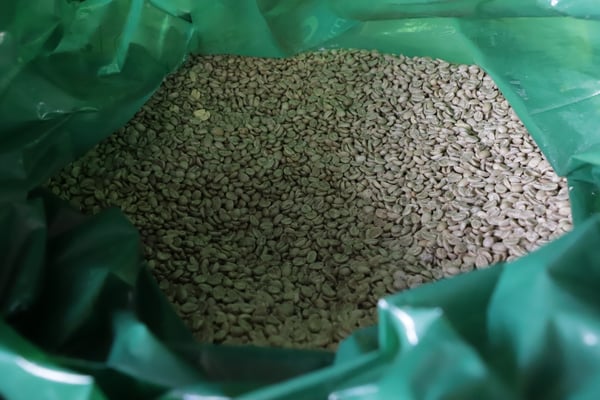 In Photo: Green coffee beans stored in a Hermetic Bag Premium™ twist and tie.
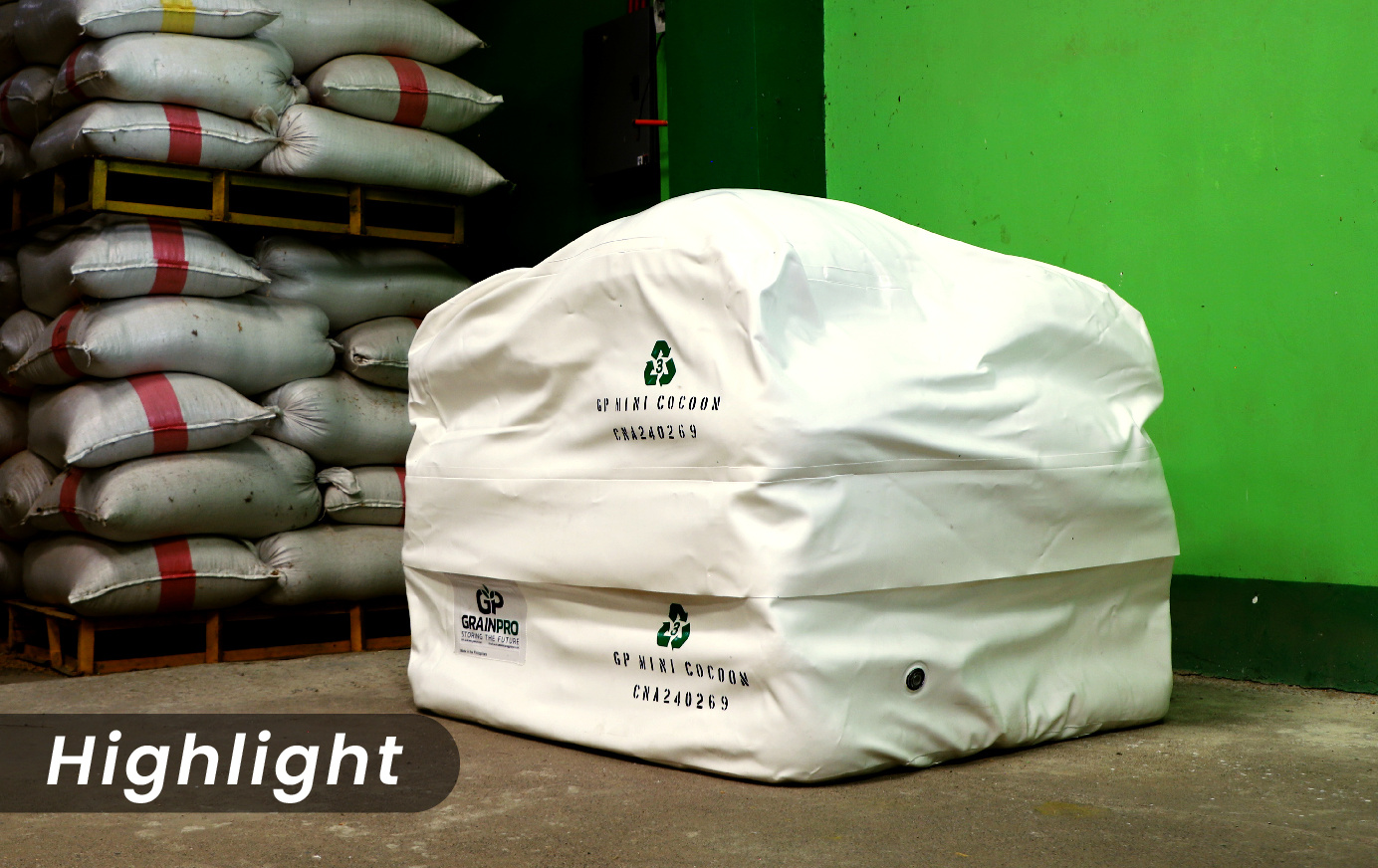
When it comes to large-scale storage, GrainPro® Cocoon™ provides the same hermetic security with additional protection against rodent attacks. This hermetic storage unit comes in multiple capacities, from 600 kg to 300 tons, and is better suited for long-term preservation.
Without the right storage solutions, even the best coffee beans can quickly lose their potential. Keep your coffee beans secured today — explore our wide range of hermetic solutions that best preserve quality, integrity, and value.

Date Published: May 4, 2026
Share this article